


How to Exercise When Menopause Fatigue Drains Your Energy

Some days, getting in a workout can feel impossible when you can barely get through your regular day. Menopause fatigue is not ordinary tiredness. It can feel like a heavy body, foggy brain, poor sleep, low motivation, and a battery that never seems to charge fully.
Consistent exercise can help with energy, mood, sleep, muscle strength, balance, and long-term health during menopause. The hard part is starting when energy is the very thing that feels missing.
The answer is not to push harder. It is to train differently.
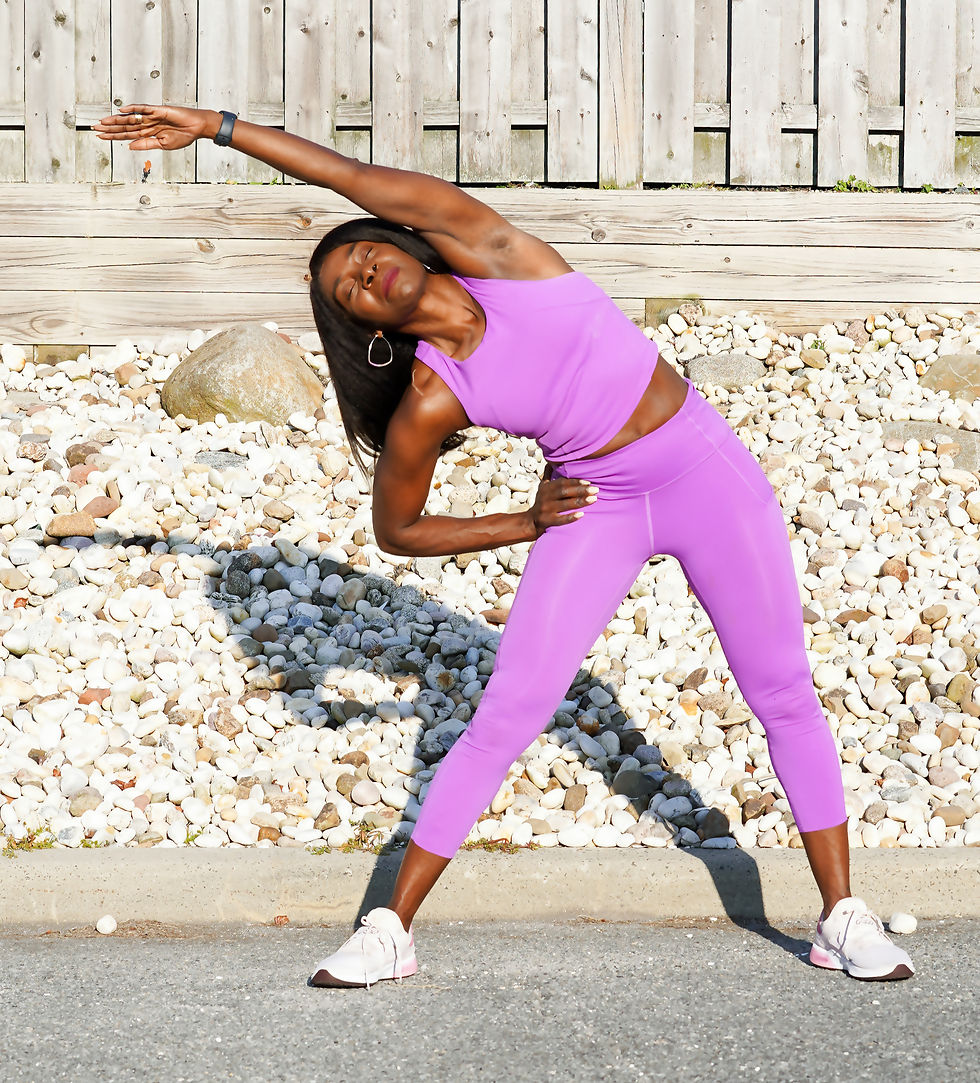
Menopause fatigue is real, so plan around it
Hormonal changes during perimenopause and menopause can affect your sleep, temperature regulation, mood, muscle recovery, and how the body handles stress making exercise feel harder than it used to.
That doesn't mean fitness is out of reach. It means your plan needs to respect the energy available today, not the energy that existed ten years ago.
Instead of approaching exercise with an all-or-nothing mindset, “If I can’t complete a 45-minute workout, it doesn’t count”, start thinking of movement as a flexible menu. Depending on your time and energy, movement can look like:
A 15-minute brisk walk
Two strength exercises
Gentle mobility work on the floor
A swim
A light bike ride
A full gym session or home workout when your energy allows
The goal is to build a repeatable routine, not prove toughness on the hardest days. Consistency beats intensity when fatigue keeps changing the rules.
Use an energy scale before you choose a workout
Before exercising, rate your energy from 1 to 5.
Energy level | What it feels like | Best type of movement |
1 | Drained, heavy, poor sleep, low focus | Rest, deep breathing, gentle stretching |
2 | Tired but able to move slowly | Short walk, mobility, easy yoga or pilates |
3 | Okay once you get started | Light strength, steady walk, low-impact cardio |
4 | Fairly good, some motivation | Strength training, intervals kept moderate |
5 | Strong and well-rested | Harder session if recovery is good |
I encourage the women I coach to check in with their energy before deciding what kind of movement their body needs that day. That simple pause can keep you from pushing too hard when your energy is low and then needing several days to recover.
On a level 1 day, rest is part of the plan. You haven’t failed or fallen behind. On a level 2 or 3 day, choose movement that leaves you feeling a little better than when you started. When you’re at a level 4 or 5, you can challenge yourself more, as long as your sleep, soreness, and stress are also in a good place.
Learning to work with your body in this way is one of the most practical ways to manage menopause fatigue while continuing to stay active.
Start with the smallest useful session
When your motivation is low, the hardest part is usually getting through those first five minutes. It's perfectly okay to lower the bar and make starting feel doable.
Try this minimum workout:
March in place for one minute.
Complete 8-10 slow chair or bodyweight squats.
Complete 8-10 wall or modified push-ups.
Stretch your calves, hips, and chest for two minutes.
That counts. If you begin to feel more energized, repeat the circuit or take a short walk. If your energy doesn’t improve, you can stop there and still feel good about keeping the promise you made to yourself.
A short session supports your body, but it also helps your mindset. It keeps the habit top of mind and lets you know that exercise doesn’t have to be hard to count. During menopause, there will be days when a full workout feels like too much. Having a smaller option helps you stay connected to movement without draining yourself.
Your minimum workout should almost feel too easy and that's the point. You’re giving your body a gentle nudge instead of asking it to perform at its highest level every time.
Choose strength training that gives you energy back
Strength training becomes even more valuable during and after menopause because changes in estrogen can affect muscle mass and bone density. Your workouts don’t need to be punishing to make a difference. A few tried and true exercises performed consistently, like squats and push-ups, can help you preserve muscle, support your bones, and feel stronger in everyday life.
This is the approach I use in my EVOLVE program. The workouts are designed to meet you where you are and help you build functional strength without feeling overwhelmed. You can begin with two to three 20- to 30-minute sessions each week using body weight or dumbbells. As your strength, energy, and confidence improve, you'll feel your strength and energy progress from there.
The best strength workout is the one you can recover from.
Keep cardio gentle when your sleep is poor
Cardio can improve heart health, mood, and stamina, but the wrong intensity at the wrong time can backfire. If sleep has been broken, intense cardio may feel like another stressor.
Here are some low-impact options that are menopause supportive:
Walking
Cycling
Swimming
Aqua aerobics
Elliptical training
Dancing at home
Hiking on easy trails
For many women, 10 to 15 minutes of cardio is a realistic and effective place to start. As your energy and endurance improve, add a few minutes at a time. You don’t need to push beyond 30 minutes to experience the benefits.
If you enjoy intervals, keep them moderate. For example, walk briskly for one minute, then slowly for two minutes. Repeat this five times. You do not need continuous high-intensity work to benefit.

Time your workouts to match your body
There is no perfect time to exercise during menopause. The best time is the one that works with energy, sleep, digestion, and temperature.
Ask these questions for one week:
When do I feel most alert?
Do evening workouts disturb my sleep?
Do I exercise better after a snack?
Which workouts leave me calm rather than wired?
Use the answers to place workouts where they fit naturally. If mornings are rough, don't force a 6 a.m. routine because it sounds disciplined. If evenings make sleep worse, shift exercise earlier.
A light snack can help if workouts feel weak or shaky. Try something simple, such as yogurt, fruit, toast with nut butter, or a small smoothie. Hydration matters too, especially if night sweats are frequent.
Build recovery into the plan
Fatigue often gets worse when recovery is treated as optional. During menopause, rest deserves the same respect as your workout. Recovery also includes sleep habits, food, hydration, stress relief, and downtime. None of these need to be perfect. Small changes help.
Try:
Keeping caffeine earlier in the day
Cooling the bedroom at night
Eating protein regularly
Taking rest days without guilt
Stretching before bed if it feels calming
Reducing workout intensity during stressful weeks
If fatigue keeps getting worse despite rest, it is worth checking in with a clinician. Thyroid issues, low iron, vitamin deficiencies, depression, sleep apnea, and other health concerns can overlap with menopause symptoms.
Let movement support your life, not drain it
Exercise during menopause is not about chasing your former 20-year old self or forcing the body through fatigue. It is about building strength, energy, confidence, and steadiness in a body that is changing.
Start smaller than you think you should and choose movement that fits today’s energy. Strength train enough to support your muscle and bones. Keep cardio gentle when your sleep is poor. Protect your recovery.
Success does not look like never feeling tired. It looks like knowing what to do when your energy is low, moving when you can, resting when you need to, and trusting that small efforts still count.
Keep meeting yourself where you are, and remember: progress over pressure.
In strength and health,
Coach Pat
Thrive with Menopause


Comments